Ride
Balance, position, effective aids, and confident mounted skill.

The Austin riding school
Every rider follows a thoughtful progression through riding skill, horse care, theory, and confidence. The goal is not to move quickly. The goal is to build something that lasts.
See the four levels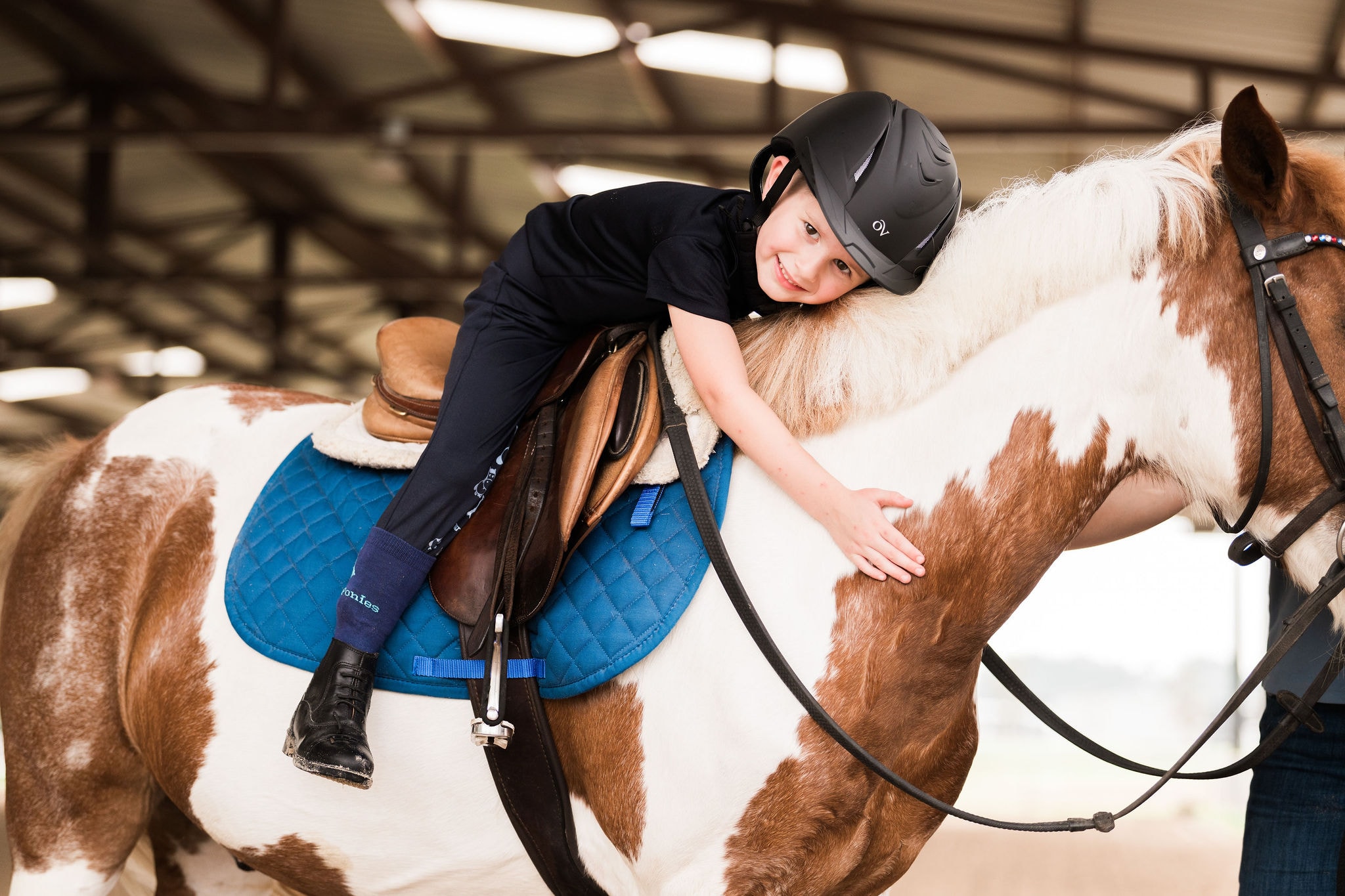
How UDJC teaches
Mounted time is only one part of each student’s education. Riders learn to prepare the horse, understand the work, care for equipment, and take responsibility for the whole experience.
Balance, position, effective aids, and confident mounted skill.
Safe handling, grooming, equipment, and responsibility for the horse.
Theory, reflection, and a clear reason behind every next exercise.
The complete pathway
Placement reflects age, confidence, experience, and demonstrated skill. The trainer’s recommendation protects both the rider and the horse.
A playful first experience with horses
Confidence begins with care. Riders learn safe barn behavior, grooming, trust, balance, and supported riding through an age appropriate introduction.
A personal foundation for beginner riders
Riders develop a secure seat, control at walk and trot, early canter skills, and the independence required to ride safely without constant assistance.
Independent riding with focused coursework
Group lessons connect dressage patterns, thoughtful transitions, polework, small fences, horse care, and weekly horsemanship education.
An intensive path for competitive riders
Dedicated riders deepen their dressage, technical jumping, coursework, horse knowledge, and preparation for competition and long term goals.
Monthly enrollment
During the initial evaluation, the trainer discusses a recommended monthly enrollment for each rider based on their current level, goals, and development needs.
The trainer learns where the rider is today.
Level, goals, and development needs shape the recommendation.
A recurring lesson creates rhythm and steady progress.
UDJC badge shows
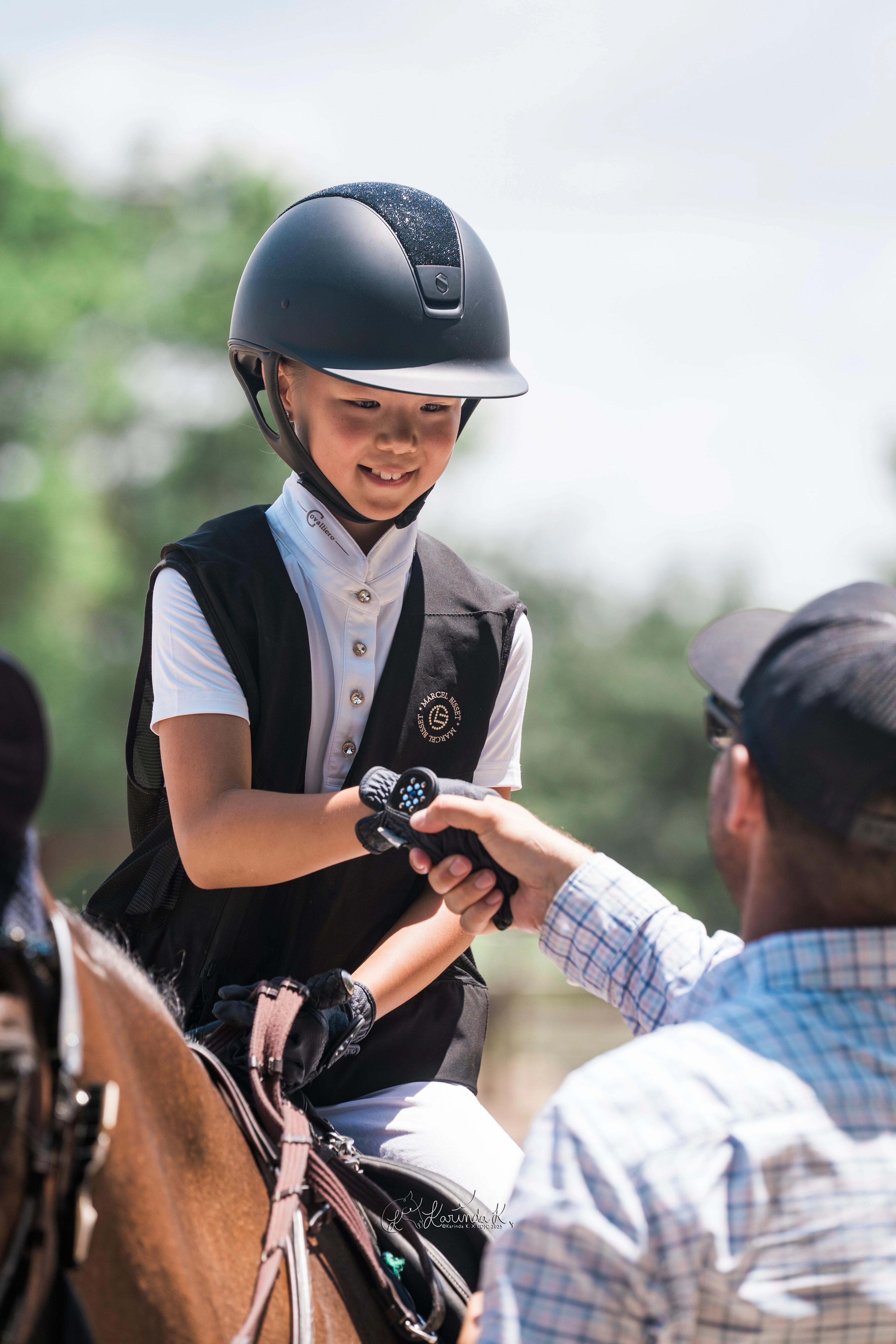
At home badge shows combine education and competition in a familiar environment. Riders demonstrate practical ability and theory, receive meaningful feedback, and earn recognition when the standard has been met.
Those badges connect directly to the broader UDJC show and competition system, giving every rider a clear path from lessons at home to larger competition opportunities.
See the complete show pathwayQuestions before your first visit
No. A trial lesson helps the team understand confidence, experience, and goals before recommending the right level and weekly class.
The trial helps the instructor consider age, confidence, balance, prior experience, and the amount of support a rider needs before recommending a weekly place.
Riders need an approved riding helmet, fitted riding pants, and riding boots with a defined heel. Hair should be secured and clothing should allow safe movement.
During the initial evaluation, the trainer recommends monthly enrollment based on the rider’s current level, goals, and development needs. Once placed, the rider holds a recurring weekly place. The first month is prorated when enrollment begins after the first, then regular tuition is charged monthly.
The program uses a thirty day notice period. The weekly place remains active through that period before becoming available to another rider.
Eligible absences can receive a credit for an available class at the same level. Each enrollment can receive up to five makeup credits per year.